
What Is Gestational Diabetes?
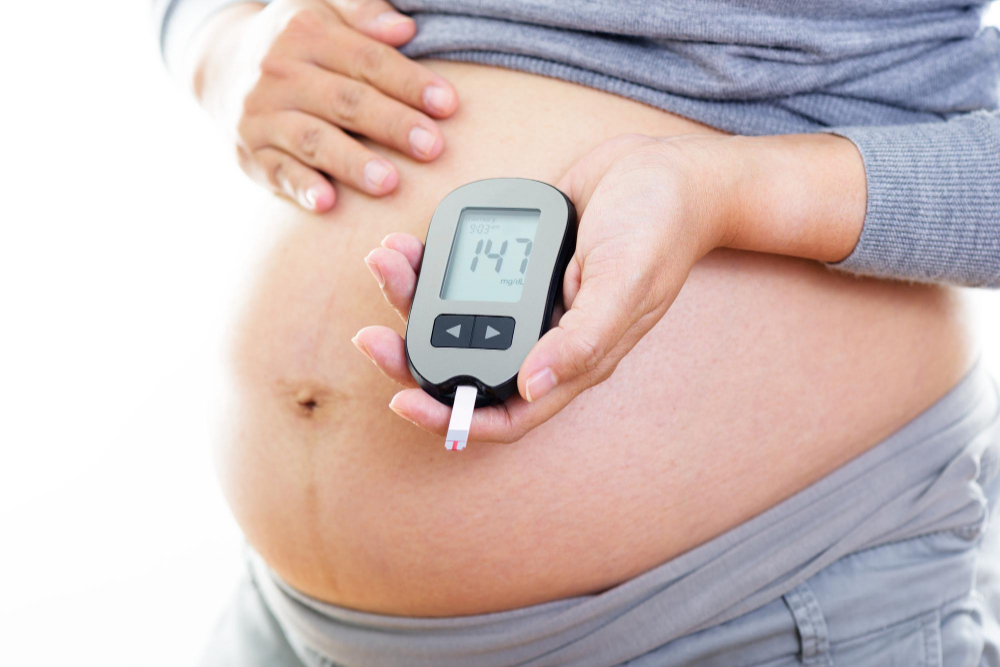
Gestational diabetes is a type of diabetes that develops during pregnancy. It means your blood sugar levels become higher than normal. Usually, this condition appears in the second or third trimester. For most women, gestational diabetes goes away after the baby is born. However, it is important to manage it well to keep both mother and baby healthy. Early care can help prevent problems later.
Symptoms and Warning Signs
Often, gestational diabetes does not cause clear symptoms. Many women feel normal. Still, some may notice signs. For example, you might feel more thirsty than usual. You may need to urinate more often. Sometimes, you may feel tired or have blurred vision. Because these symptoms can be mild, regular screening during pregnancy is important.
However, many women have no symptoms at all. That is why doctors test for gestational diabetes during pregnancy.
Causes and Risk Factors
Gestational diabetes happens when your body cannot make enough insulin during pregnancy. Insulin is a hormone that helps control blood sugar. During pregnancy, your body makes more hormones. These hormones can make it harder for insulin to work. As a result, blood sugar rises.
Several factors can increase your risk. For instance, you may be more likely to develop gestational diabetes if you:
Knowing your risk can help you and your doctor plan for a healthy pregnancy.
How Is Gestational Diabetes Diagnosed?
Doctors use simple blood tests to check for gestational diabetes. Usually, all pregnant women get screened between 24 and 28 weeks. Sometimes, women with higher risk get tested earlier.
The most common test is the glucose challenge test. Here is how it works:
If your blood sugar is high, your doctor may do a second test called the oral glucose tolerance test. This test checks how your body handles sugar over several hours. These tests help your doctor decide if you need treatment.
Treatment and Management Options
Managing gestational diabetes is important for your health and your baby’s health. Most women can control their blood sugar with healthy habits. However, some may need medicine or insulin.
Treatment options include:
Your doctor will guide you on the best plan for you. With good care, most women have healthy pregnancies.
Lifestyle Guidance: Diet, Exercise, and Monitoring
Healthy habits play a big role in managing gestational diabetes during pregnancy. For example, eating regular meals and snacks can help keep your blood sugar steady. Choose foods high in fiber, such as whole grains, fruits, and vegetables. Limit foods high in sugar and fat.
In addition, staying active helps your body use sugar better. Walking, swimming, or prenatal yoga are good choices. Always check with your doctor before starting any new activity.
Moreover, you will need to check your blood sugar at home. Your doctor will show you how and when to test. Keeping a record helps your care team adjust your plan as needed.
Prevention Tips
While you cannot always prevent gestational diabetes, you can lower your risk. Before pregnancy, try to reach a healthy weight. During pregnancy, eat balanced meals and stay active. Regular check-ups help catch problems early.
These steps support both your health and your baby’s health.
Possible Complications for Mother and Baby
Gestational diabetes can cause problems if not managed well. For mothers, it can increase the risk of high blood pressure or needing a C-section. After pregnancy, some women may develop type 2 diabetes later in life.
For babies, high blood sugar can lead to:
However, with good care, most mothers and babies stay healthy.
When to Consult a Healthcare Provider
It is important to see your doctor regularly during pregnancy. If you notice symptoms like extreme thirst, frequent urination, or blurred vision, let your doctor know. Also, if you have risk factors, ask about early screening. Early care can help prevent complications.
Conclusion
Gestational diabetes is common, but it can be managed with the right care. Healthy habits, regular check-ups, and support from your healthcare team make a big difference. If you’re concerned about gestational diabetes, Dr. Anirban Dasgupta can offer expert guidance and personalized care.