
What Is a Radical Hysterectomy?
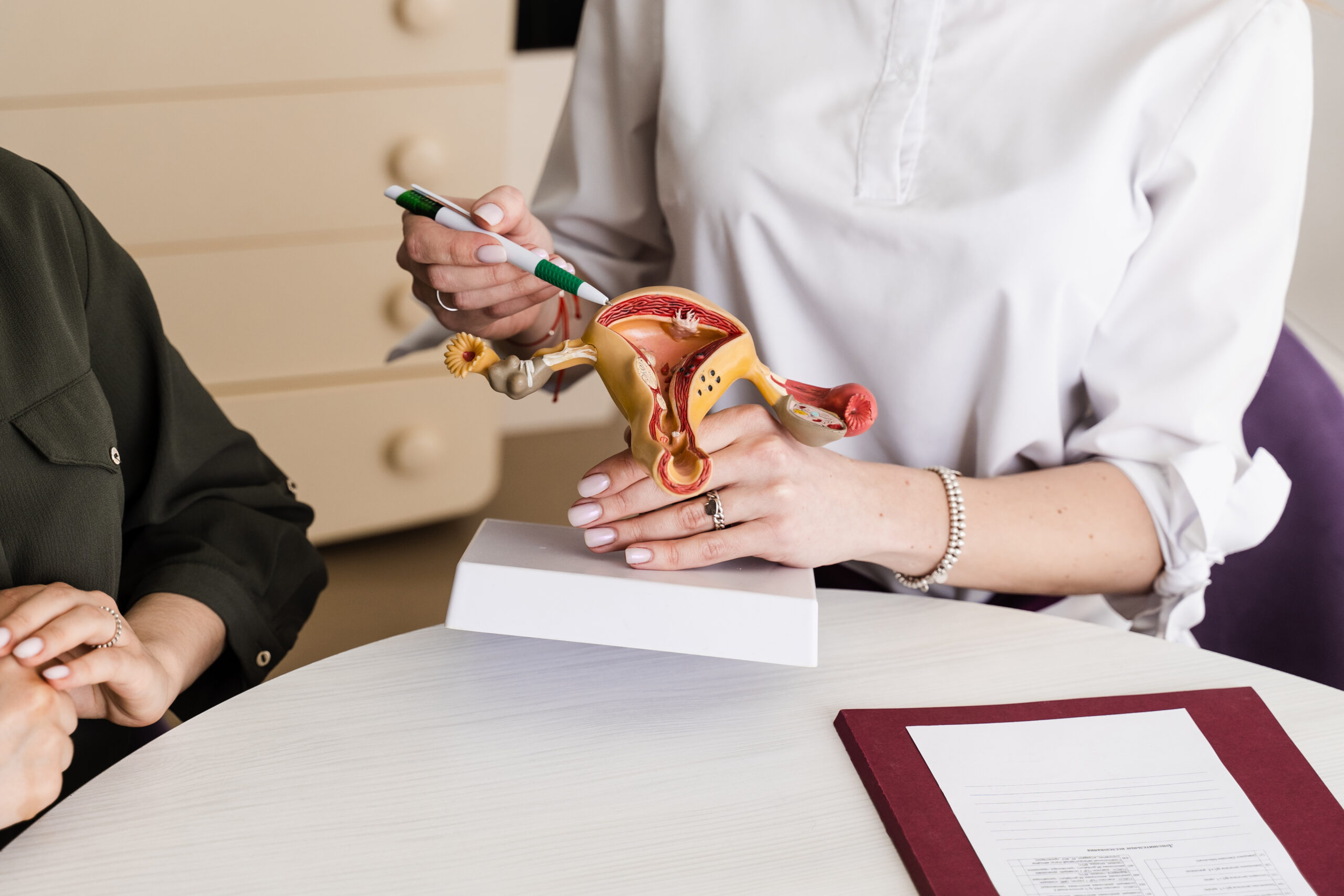
A radical hysterectomy is a surgery to remove the uterus, cervix, and nearby tissues. Often, doctors also remove part of the vagina and lymph nodes. This procedure is different from a simple hysterectomy, which removes only the uterus and cervix. Because it is more extensive, a radical hysterectomy is usually done to treat certain cancers, such as cervical or uterine cancer. The goal is to remove all cancerous tissue and lower the chance of the cancer coming back.
Why Is a Radical Hysterectomy Performed?
Doctors may recommend a radical hysterectomy for several reasons. Most often, it is used to treat early-stage cervical cancer. Sometimes, it is also used for other cancers in the female reproductive system. In rare cases, it may be needed for severe non-cancerous conditions that do not respond to other treatments. However, this surgery is usually a last resort when other options are not effective.
The Radical Hysterectomy Procedure: Step-by-Step
Before surgery, your doctor will explain the steps. Although each case is unique, the procedure often follows these steps:
Sometimes, doctors use robotic or laparoscopic tools for smaller cuts and faster healing. The choice depends on your health and the cancer’s stage.
Preparing for Surgery
Getting ready for a radical hysterectomy is important. First, your doctor will review your medical history and order tests. These may include blood tests, imaging scans, or an electrocardiogram (ECG). Next, you will receive instructions about eating and drinking before surgery. Usually, you must not eat or drink for several hours before the procedure. In addition, you may need to stop certain medicines. Always follow your doctor’s advice closely.
Recovery After Radical Hysterectomy
After surgery, recovery time can vary. Most people stay in the hospital for a few days. However, some may go home sooner if they have minimally invasive surgery. At home, you will need to rest and avoid heavy lifting. Full recovery often takes 6 to 8 weeks, but some people feel better sooner. During this time, you may feel tired and have mild pain or discomfort. Your doctor will give you pain medicine if needed. It is normal to have some vaginal bleeding or discharge for a few weeks.
For more details, the American Cancer Society and CDC offer helpful recovery tips.
Potential Risks and Complications
Like any surgery, a radical hysterectomy has risks. While most people recover well, some may have complications. It is important to know the possible risks:
If you notice any unusual symptoms, contact your doctor right away. The World Health Organization and peer-reviewed journals confirm these risks are rare but possible.
Tips for a Smoother Recovery
Recovering from a radical hysterectomy takes time. However, you can take steps to heal faster and feel better:
Above all, listen to your body and do not rush your recovery.
When to Contact Your Doctor
Sometimes, problems can happen after surgery. Therefore, it is important to know when to call your doctor. Contact your healthcare provider if you have:
Early treatment can prevent serious problems. Never hesitate to reach out if you are worried about your symptoms.
Conclusion
A radical hysterectomy is a major surgery, but it can be life-saving for some people. With the right care and support, most people recover well. Consult Anirban Dasgupta at The Mission Hospital Durgapur for personalized advice and guidance about radical hysterectomy.