
Introduction
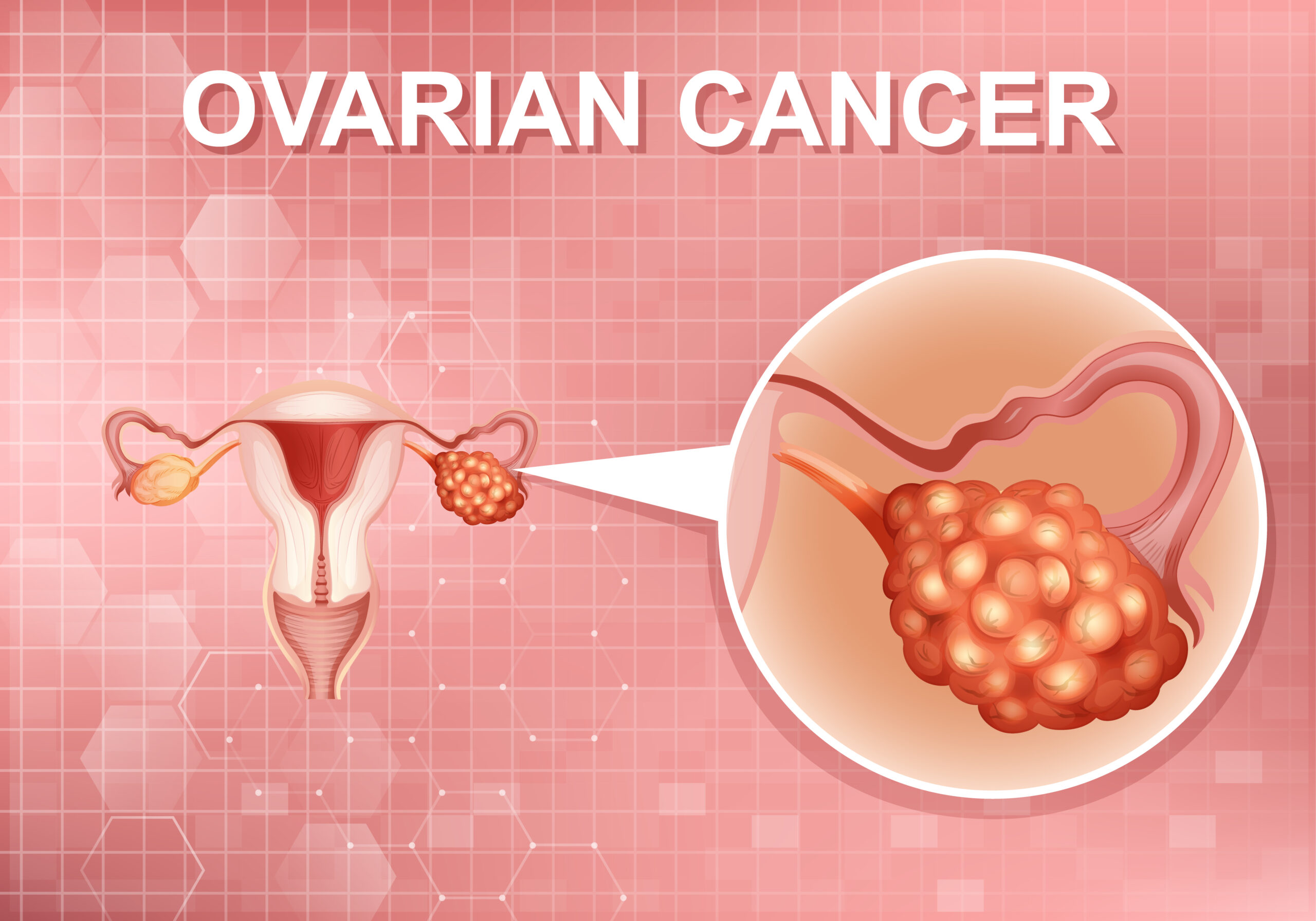
Ovarian cancer debulking surgery is a key treatment for women with advanced ovarian cancer. In many cases, cancer spreads beyond the ovaries. Because of this, doctors often use debulking surgery to remove as much cancer as possible. This surgery can help improve the effects of other treatments, such as chemotherapy. In this blog, we will explain the uses of ovarian cancer debulking surgery in advanced stages, its benefits, and what to expect.
What Is Ovarian Cancer Debulking Surgery?
Ovarian cancer debulking surgery is a procedure to remove as much visible cancer as possible from the abdomen. Usually, doctors perform this surgery when cancer has spread beyond the ovaries. Sometimes, they remove the ovaries, uterus, fallopian tubes, and nearby tissues. In some cases, they also remove parts of the bowel or other organs if cancer has spread there. The main goal is to leave behind little or no cancer tissue.
Why Is Debulking Surgery Important in Advanced Ovarian Cancer?
For women with advanced ovarian cancer, debulking surgery is very important. Studies show that removing most of the cancer helps other treatments work better. For example, chemotherapy is more effective when there is less cancer left in the body. As a result, patients may live longer and feel better. In addition, debulking surgery can help reduce symptoms like pain or swelling.
How Is the Surgery Performed?
Doctors usually perform debulking surgery under general anesthesia. First, they make a cut in the abdomen. Then, they carefully remove the ovaries, uterus, and any visible cancer. Sometimes, they need to remove parts of other organs if cancer has spread. Surgeons use special tools to check the entire abdomen for cancer. After removing as much cancer as possible, they close the incision. The surgery can take several hours, depending on how much cancer is present.
Benefits and Expected Outcomes
Debulking surgery offers several benefits for women with advanced ovarian cancer. Some of the main benefits include:
When doctors remove most of the cancer, patients often feel better and have more energy. However, the results can vary based on the amount of cancer left after surgery.
Risks and Considerations
Like any major surgery, debulking surgery has risks. Some possible risks include:
Before surgery, doctors will check your overall health. They will discuss the risks and help you decide if surgery is the best option. Sometimes, doctors may suggest chemotherapy before surgery to shrink the cancer first.
Recovery and Aftercare
After debulking surgery, most patients stay in the hospital for several days. During this time, doctors watch for any problems, such as infection or bleeding. You may feel tired and sore for a few weeks. However, most people slowly return to normal activities. To help your recovery, doctors may suggest:
After surgery, you may need more treatment, such as chemotherapy. Your doctor will guide you through the next steps.
Frequently Asked Questions
Conclusion
Ovarian cancer debulking surgery is a key part of treatment for advanced cases. It can help improve the effects of other treatments and may lead to better outcomes. Consult Anirban Dasgupta at The Mission Hospital Durgapur for personalized advice on treatment options for ovarian cancer.