
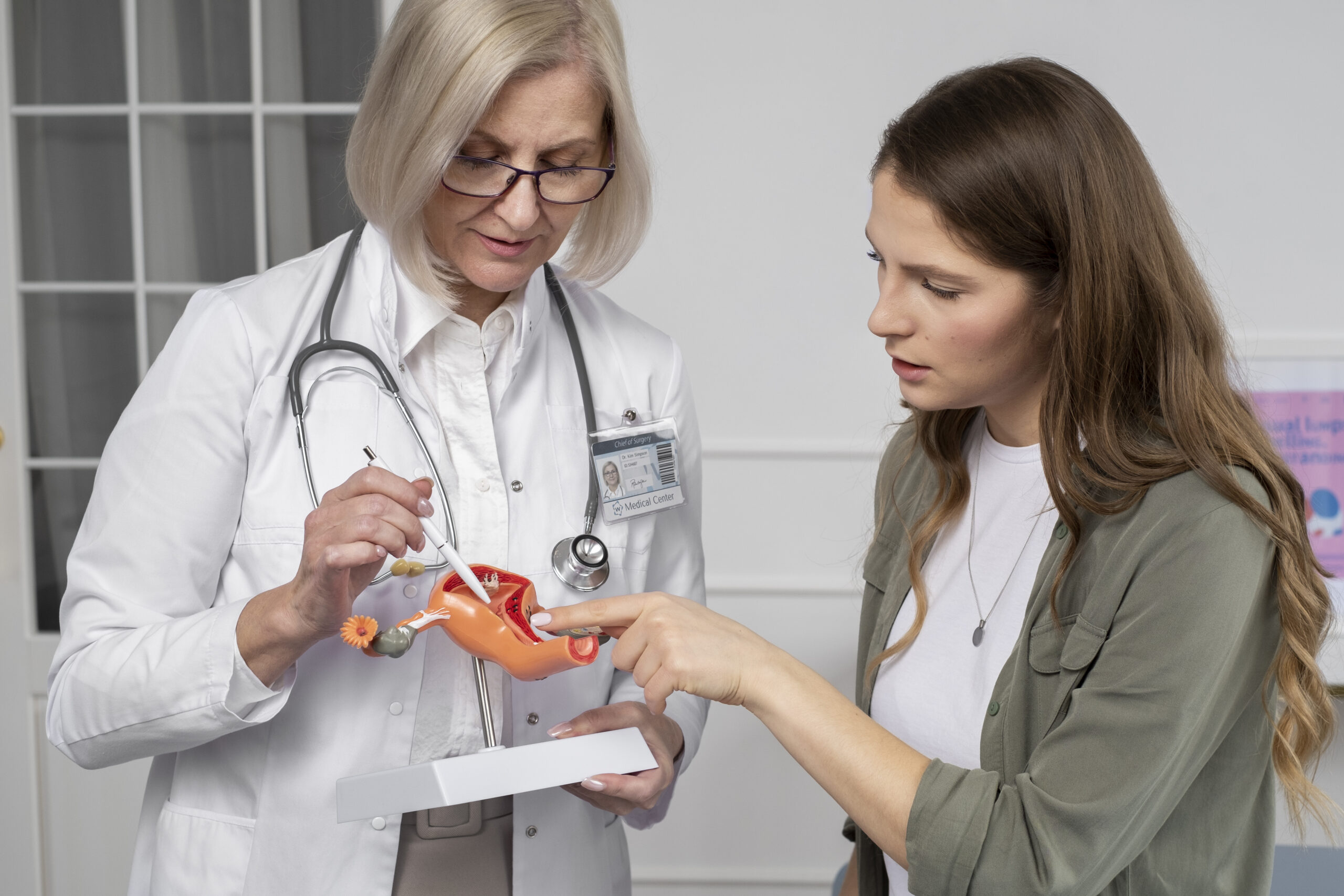
Introduction to Uterine Cancer and Radical Hysterectomy
Uterine cancer is a common cancer in women. It starts in the lining of the uterus. Early treatment is important for the best outcome. One major treatment is radical hysterectomy for uterine cancer. This surgery removes the uterus and nearby tissues. According to the World Health Organization (WHO), early detection and surgery can save lives. In many cases, radical hysterectomy offers a comprehensive solution for uterine cancer.
Symptoms and Diagnosis of Uterine Cancer
Recognizing symptoms early can help with quick diagnosis. Common signs of uterine cancer include:
If you notice these symptoms, see your doctor. For diagnosis, doctors may use:
Early diagnosis leads to better treatment results. The Centers for Disease Control and Prevention (CDC) recommends regular check-ups for women at risk.
What Is a Radical Hysterectomy?
A radical hysterectomy is a surgery for uterine cancer. It removes the uterus, cervix, part of the vagina, and nearby tissues. Sometimes, doctors also remove lymph nodes. This surgery is more extensive than a simple hysterectomy. It is often used when cancer has spread beyond the uterus. Radical hysterectomy for uterine cancer is a key part of comprehensive uterine cancer surgery. Your doctor will explain if this is the best option for you.
Key Benefits of Radical Hysterectomy for Uterine Cancer
There are several important benefits to this surgery. For many women, it offers the best chance for a cure. Some key benefits include:
For many patients, these benefits make radical hysterectomy a preferred choice. However, your doctor will consider your health and cancer stage before recommending this treatment.
Recovery and Lifestyle Guidance After Surgery
After a radical hysterectomy, recovery takes time. Most women stay in the hospital for a few days. At home, you should:
During recovery, you may feel tired. But with time, most women return to normal activities. Some women may need help with emotional changes. Support groups and counseling can help. Always talk to your doctor if you have pain, fever, or unusual symptoms.
Prevention and Follow-Up Care
While not all cases can be prevented, you can lower your risk by:
After surgery, regular follow-up care is important. Your doctor will check for signs of cancer returning. Early detection of any problems can lead to better outcomes. The CDC and WHO both stress the importance of ongoing care after uterine cancer treatment.
Conclusion
In summary, radical hysterectomy for uterine cancer offers many benefits. It can remove cancer, lower the risk of recurrence, and improve survival. Recovery takes time, but most women do well with proper care. Consult Anirban Dasgupta at The Mission Hospital Durgapur for personalized guidance on uterine cancer treatment.