
What is Ovarian Cancer?
Ovarian cancer is a type of cancer that starts in the ovaries. The ovaries are small organs in a woman’s lower belly. They make eggs and hormones. Ovarian cancer can grow and spread quickly. Because of this, early detection is important. However, many women do not notice symptoms until the cancer is advanced. Common symptoms include:
Sometimes, these symptoms are mild or mistaken for other issues. Therefore, regular check-ups are important. Doctors use tests like ultrasound, blood tests, and scans to diagnose ovarian cancer. According to the World Health Organization (WHO), ovarian cancer is one of the most common cancers in women worldwide.
What is Debulking Surgery?
Debulking surgery is a special operation for ovarian cancer. The goal is to remove as much of the tumor as possible. Doctors often call this “cytoreductive surgery.” This surgery is a key part of treatment for many women. In most cases, it is done by a gynecologic oncologist, a doctor who specializes in women’s cancers. Debulking surgery is often the first step before other treatments, such as chemotherapy.
Why is Debulking Surgery Important in Ovarian Cancer?
Debulking surgery plays a big role in treating ovarian cancer. When doctors remove most of the cancer, other treatments work better. For example, chemotherapy can target smaller tumors more easily. Studies show that women who have successful debulking surgery often live longer. In addition, removing large tumors can help reduce pain and other symptoms. Because of these benefits, debulking surgery is a main part of ovarian tumor surgery plans.
How is Debulking Surgery Performed?
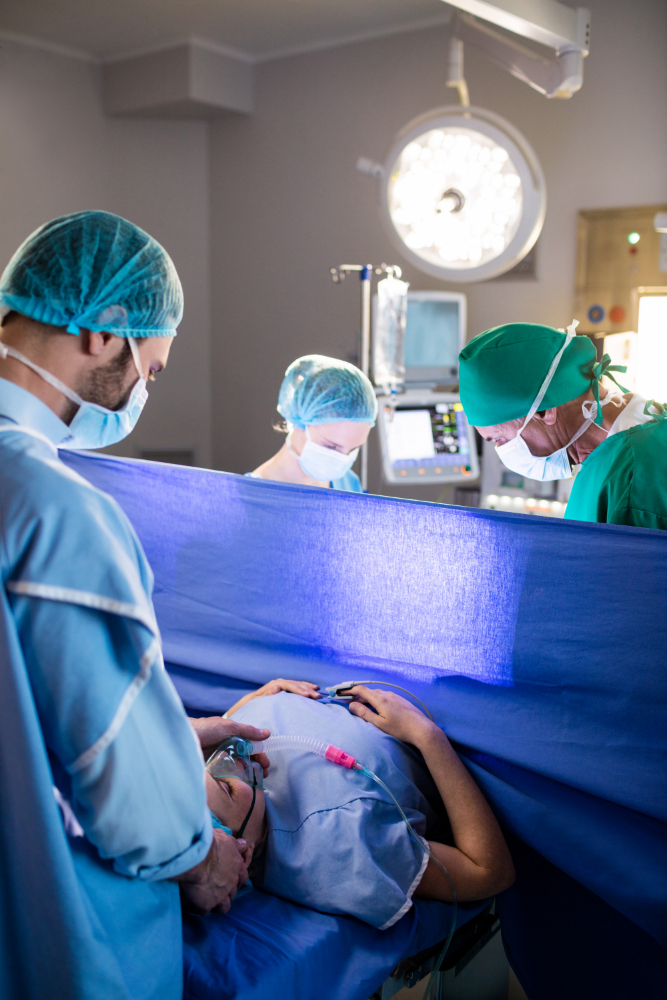
Doctors plan debulking surgery carefully. First, they check how far the cancer has spread. During the operation, the surgeon removes as much cancer as possible. This may include:
Sometimes, the surgery is done through a large cut in the belly. Other times, doctors may use smaller cuts and special tools. The choice depends on the size and location of the tumors. After surgery, doctors may recommend more treatment, such as chemotherapy, to kill any remaining cancer cells.
Benefits and Risks of Debulking Surgery
Debulking surgery offers many benefits. However, it also has some risks. Here are the main points to consider:
Doctors will discuss these risks and benefits with you before surgery. Every patient is different, so your care team will help you make the best choice.
Recovery and Aftercare
After debulking surgery, recovery is important. Most women stay in the hospital for a few days. During this time, doctors watch for any problems. At home, you will need to rest and avoid heavy lifting. Eating healthy foods and drinking plenty of water can help you heal. Your doctor may suggest gentle walking to keep your body strong. In addition, you may need follow-up visits and more treatment, such as chemotherapy. Always follow your doctor’s advice for the best recovery.
Frequently Asked Questions
In summary, debulking surgery is a key part of ovarian cancer treatment. It helps remove as much cancer as possible and improves the chances of success with other treatments. For personalized treatment options for ovarian cancer, consult the gynecologic oncology team at The Mission Hospital Durgapur.