
What Is Ovarian Cancer Debulking Surgery?
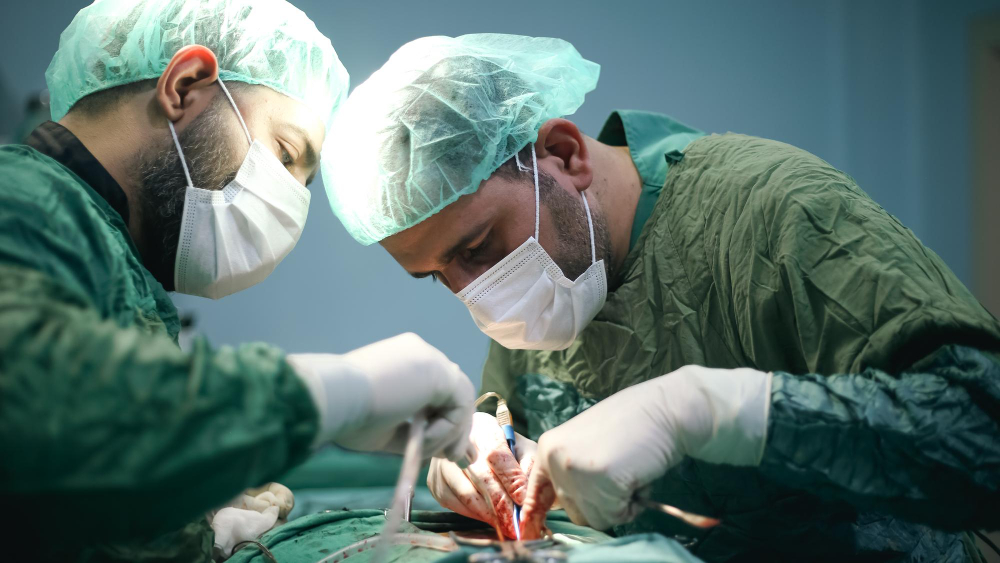
Ovarian cancer debulking surgery is a key part of treating ovarian cancer. In this procedure, doctors remove as much of the cancer as possible from the abdomen. Often, this surgery is needed when cancer has spread beyond the ovaries. Because it helps other treatments work better, debulking surgery is very important in ovarian cancer care. According to the World Health Organization, surgery is often the first step in treating ovarian cancer.
Why Is Debulking Surgery Needed?
For many women, ovarian cancer is found after it has spread. In these cases, removing all cancer is not always possible. However, when doctors remove most of the cancer, it is called “optimal debulking.” This helps chemotherapy and other treatments work better. As a result, patients may live longer and feel better. In fact, studies show that debulking surgery improves survival rates for ovarian cancer patients.
How Is the Surgery Performed?
During debulking surgery, a gynecologic oncologist removes as much visible cancer as possible. Usually, the doctor makes a cut in the abdomen to reach the organs. Sometimes, the ovaries, uterus, fallopian tubes, and parts of other organs are removed. In some cases, doctors may also remove tissue from the bowel, bladder, or lymph nodes. The exact steps depend on how far the cancer has spread. For some patients, a less invasive approach may be possible. However, open surgery is more common for advanced cases.
Benefits and Risks of Debulking Surgery
Like any major surgery, debulking surgery has both benefits and risks. On the positive side, removing most of the cancer can help other treatments work better. Many women feel relief from symptoms after surgery. In addition, survival rates may improve with optimal debulking.
However, there are also risks to consider. For example, surgery may cause bleeding, infection, or injury to nearby organs. Recovery can take several weeks. Some women may need a temporary colostomy if part of the bowel is removed. Therefore, it is important to discuss all risks and benefits with your doctor before surgery.
Recovery and Aftercare Tips
After ovarian cancer surgery, recovery takes time. Most women stay in the hospital for several days. At home, it is important to rest and follow your doctor’s advice. Because recovery can be challenging, here are some helpful tips:
For many women, support from family and friends makes recovery easier. If you have concerns, talk to your healthcare team right away.
Frequently Asked Questions
What is the goal of debulking surgery for ovarian cancer?
The main goal is to remove as much cancer as possible. This helps other treatments, like chemotherapy, work better.
How long does recovery take after ovarian cancer surgery?
Most women need several weeks to recover. However, everyone heals at a different pace. Your doctor will guide you on what to expect.
Are there other ovarian cancer treatment options?
Yes, treatment may include chemotherapy, targeted therapy, or radiation. Your doctor will suggest the best plan for you.
What is the difference between primary and interval debulking?
Primary debulking is done before chemotherapy. Interval debulking is done after some chemotherapy, if needed.
Will I need more surgery later?
Sometimes, a second surgery is needed if cancer remains. Your doctor will discuss this if it applies to your case.
Conclusion
Ovarian cancer debulking surgery is a vital step in treating advanced ovarian cancer. Because every case is unique, it is important to talk to a gynecologic oncologist. They can help you understand your options and guide you through the process. For personalized advice on ovarian cancer treatment, consult a gynecologic oncologist at The Mission Hospital Durgapur.