What is Preeclampsia?
Preeclampsia is a serious condition that can develop during pregnancy. It usually happens after the 20th week. This condition causes high blood pressure and can affect organs like the liver and kidneys. Because preeclampsia can harm both mother and baby, early detection is important. According to the CDC, preeclampsia affects about 1 in 25 pregnancies in the United States. Although it can be managed, it needs medical attention right away.
Common Symptoms of Preeclampsia
Early signs of preeclampsia can be mild. However, symptoms may become more noticeable as the condition worsens. It is important to watch for these signs:
Sometimes, symptoms can be mistaken for normal pregnancy changes. Therefore, always talk to your doctor if you notice anything unusual.
Causes and Risk Factors
Doctors do not know the exact cause of preeclampsia. However, several factors can increase your risk. For example, you may be at higher risk if:
Even though these factors raise your risk, preeclampsia can happen to anyone. That is why regular check-ups are important.
How is Preeclampsia Diagnosed?
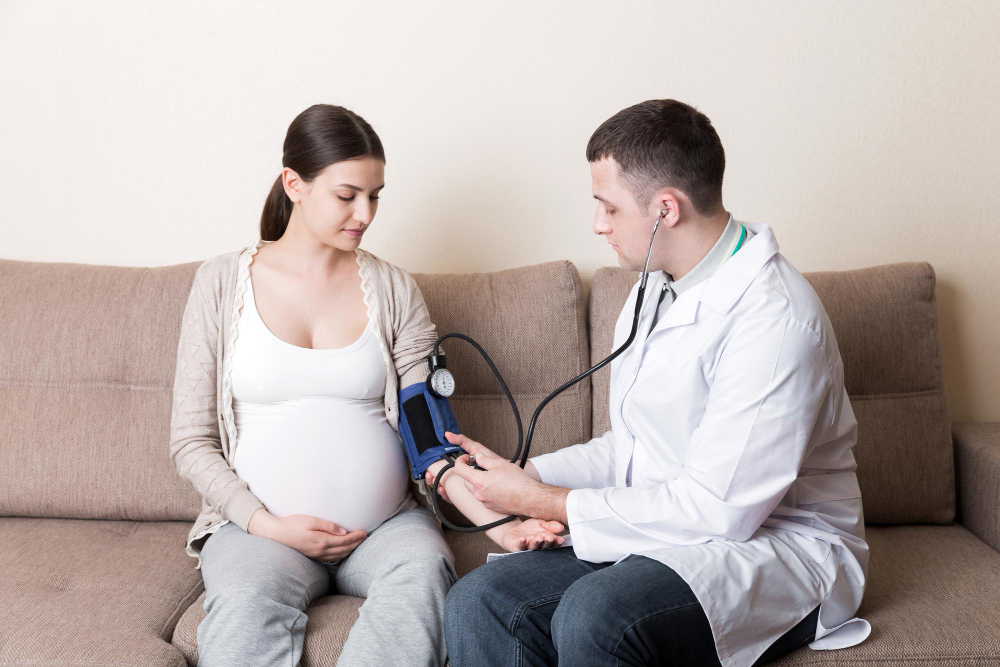
Doctors diagnose preeclampsia through routine prenatal visits. First, they check your blood pressure. Next, they test your urine for protein. High blood pressure and protein in urine are key signs. Sometimes, blood tests or ultrasounds are also needed. These tests help check your liver, kidneys, and the baby’s growth. Early diagnosis helps prevent serious problems for both mother and baby.
Treatment Options for Preeclampsia
Treatment depends on how severe the condition is and how far along you are in your pregnancy. For mild cases, doctors may suggest:
For severe cases, you may need to stay in the hospital. Sometimes, early delivery is the safest option. Doctors will monitor you and your baby closely. According to the WHO, delivering the baby is the only cure for preeclampsia. However, treatment can help manage symptoms until it is safe to deliver.
Prevention and Lifestyle Tips
While you cannot always prevent preeclampsia, you can lower your risk. Here are some helpful tips:
Additionally, talk to your doctor about your health history. This helps them watch for early signs and offer advice on how to prevent preeclampsia.
When to See a Doctor
If you notice symptoms like severe headaches, vision changes, or swelling, contact your doctor right away. Even if you feel unsure, it is better to be safe. Early treatment can protect both you and your baby. Remember, regular check-ups are key to catching problems early.
For safe pregnancy care and expert advice on preeclampsia, consult a healthcare specialist at The Mission Hospital Durgapur.